Psychedelic Practitioner Training
Alumni Roundtable
WATCH THE REPLAY
HOSTED BY SYNTHESIS LEARNING FACILITATORS:
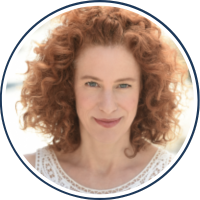
Mina Samuels
Allen Goodwin
Psychedelic Practitioner Training — Alumni Roundtable
Hear from graduates as they share their experiences in the program, their professional and personal growth journeys, and how they're now applying what they learned across diverse roles and contexts.
Questions alumni answered during the panel:
Is this the right training program for me? Why did alumni choose the Synthesis training?
Alumni chose Synthesis because they wanted structure and ethics for work they were already doing (or wanted to do) in psychedelic and transformational spaces, respect for lineages and multiple traditions rather than a narrow or purely clinical frame, a serious and supportive community instead of learning alone, and a program where relational depth and small learning groups are central, not an add-on. If you're looking for more than information transfer — specifically, ethical scaffolding, community, and multiple perspectives on this work — Synthesis is a good fit.
What is the learning experience actually like?
Alumni describe the learning experience as pod-centered: you move through the curriculum with a small, consistent group that often becomes a close, trusted circle, with many pods continuing to meet, visit, and even co-facilitate long after graduation. Learning facilitators are experienced guides who hold a safe, supportive space, encourage equal voice, and help you work with challenge and complexity.
You learn through four primary lenses — cognitive (knowledge, research, frameworks), relational (how you show up with others), somatic (body-based awareness and regulation), and sacred wisdom (meaning, spirituality, existential questions). Prospective students who resonate most with Synthesis are those who want immersive, relational learning rather than a self-paced or purely didactic course.
Who is this program for?
Alumni came from a wide range of backgrounds, including coaching, therapy, medicine, spiritual care, business, somatic therapy, ceremony facilitation, retreat operations, arts, and education. The program is especially suited to people who feel a genuine, sustained call to psychedelic-adjacent or transformational work, who are willing to engage in their own inner work rather than only skill acquisition, and who value community, humility, and ethical discernment in their practice.
How did the training change alumni personally and professionally?
Alumni consistently reported greater self-awareness, confidence, humility, and the capacity to navigate the unknown. One physician described it as the best thing she had done for herself as an adult, noting she became a better doctor, not just a better facilitator. Professionally, graduates are left with a clearer sense of their right role in the field, along with stronger ethical foundations and relational skills for working with expanded-state material. If you want a program that changes how you show up in the world, not just what you know, alumni experiences suggest Synthesis aligns with that.
How do I know if I'm ready for this program?
Based on alumni reflections, you're likely ready if you feel called to this field and are prepared to go slowly and deeply rather than chase a quick credential, if you're open to having your assumptions challenged and to examining your own motives — why am I drawn to this work, and who is it really for — and if you want to locate your unique place in the psychedelic and transformational ecosystem with a strong foundation in ethics, relational awareness, and reciprocity. If that describes you, alumni experience suggests Synthesis can offer a powerful and appropriately demanding container for your next step.
What mindset helps students get the most from the training?
Alumni emphasized that the people who get the most from Synthesis tend to show up with curiosity rather than certainty, treat the training as a life investment rather than a professional credential only, engage fully with their pod by allowing themselves to be seen, supported, and challenged, and understand that this is the start of a longer journey, not the finish line.
Do I need to be serving medicine — or live where psychedelics are legal — to benefit?
No. Alumni made clear that much of the value is in how you think, relate, and hold space, which applies whether or not you personally serve medicine. Graduates use the training to improve how they coach, counsel, and facilitate in entirely non-psychedelic settings, including corporate and clinical environments, to offer preparation and integration for people who have experiences elsewhere, and to contribute to retreats in legal or decriminalized jurisdictions such as the Netherlands, Portugal, and Mexico. If you're in a country where psychedelics are restricted, you can still apply the Synthesis framework in legal, ethical ways (eg. integration, preparation) and consider how and whether you want to engage with legal settings abroad.
Timestamps:
02:24 – What to Expect from the Panel
06:51 – What Is a Synthesis Learning Facilitator? (Allen's Introduction) Allen introduces himself, explains what a learning facilitator is, and describes the four lenses: cognitive, relational, somatic, and sacred wisdom.
11:33 – How Pods Work & Why They Matter: Mina describes the small learning group (pod) structure and how it shapes the journey through the program.
13:06 – Why Eddie Chose Synthesis: Structure, Ethics & Indigenous Perspectives: Eddie (Mexico City) shares his path from Burning Man and Indigenous work to Synthesis, and why he needed structure, ethics, and a supportive community.
14:52 – Why Amy Chose Synthesis: Lineage-Awareness & Lasting Community: Amy (Spain) talks about synchronicity, Celtic heritage, and how her pod became a tight-knit, ongoing community.
17:01 – Why Nuvola Chose Synthesis: From Imposter Syndrome to Confidence: Nuvola (London) explains feeling imposter syndrome and choosing Synthesis for deeper understanding and lineage-respectful training.
21:17 – Teresa on the Learning Experience & Her Advice to New Students: Teresa (Amsterdam) describes the impact the four-lens approach in her work and offers advice to prospective studenets.
24:35 – Liana's Experience: Safety, Strong Foundation & Going Slow: Liana (California) shares how her small, intimate pod gave her safety and a solid foundation without pressure to rush into facilitating.
28:02 – Lux: More Than Knowledge – New Ways of Seeing & Relating: Lux (Washington, D.C.) explains how Synthesis was not just a body of knowledge but learning different ways of knowing, enriched by a diverse pod including a coach, spiritual teacher, nurse, and lawyer.
30:15 – How Work Evolves After the Program (Eddie & Others) Eddie and Teresa describe how their work changed: roles in preparation, integration, and ethical business, and alumni co-facilitating retreats together.
35:02 – Pods Beyond the Training - Co-Facilitation & Peer Supervision: Teresa and Nuvola share how their pods evolved into peer supervision groups and ongoing mutual support.
40:18 – The Inner Work: Humility, Unlearning & Navigating the Unknown: Alumni reflect on knowing yourself, humility, and unlearning performance-driven habits, emphasizing that this is as much personal work as professional training.
45:01 – What Matters Most in the Field Today (North Star Question) Allen asks what keeps alumni up at night; Lux, Teresa, and Eddie respond about reciprocity versus extractivism, accessibility, and heart-centered practice.
49:55 – Transactional vs. Sacred - How Alumni Hold the Work: Teresa and Eddie talk about resisting transactional, quick-fix uses of psychedelics and keeping the work sacred, relational, and community-oriented.
53:42 – Integration & Community - Life After Retreats: Eddie and others discuss the unique integration challenge in Western culture and why they offer ongoing, often free, integration circles and community support.
58:23 – Can I Use This Training Where Psychedelics Aren't Legal? (UK Question) Audience Q&A: alumni and Allen address legal realities (especially in the UK), working in legal jurisdictions, and applying Synthesis tools in coaching and therapy without medicine.
1:08:25 – Using Synthesis Skills in Coaching & Corporate Settings: Teresa explains how the training changed the way she coaches, even in corporate environments where psychedelics aren't worked with.
1:09:16 – How to Apply for the May 2026 Cohort: Andrew (Head of Admissions) outlines the admissions process and early-registration tuition savings available through April 5th, 2026.
Alumni Roundtable – Key Takeaways
Why alumni chose Synthesis
Many alumni were already supporting psychedelic or transformational work and sought rigorous structure, ethical grounding, and screening frameworks they could trust. They were drawn to Synthesis's respect for Indigenous lineages and its inclusion of multiple wisdom traditions. A core motivator was finding a like-minded community — peers who are serious about integrity, depth, and service in this field. The small-group pod structure was a major attraction, with many coming specifically for the chance to journey with a tight-knit learning group.
What the training experience is like
Alumni consistently described their pods as family — places of deep, non-judgmental witnessing that continue to meet, visit each other, and even co-facilitate long after graduation. Learning facilitators create safe, inclusive, relational environments where every voice is heard and the group is supported through challenging moments. The training weaves four core lenses — cognitive, relational, somatic, and sacred wisdom — and alumni emphasized that beyond information, they learned new ways of seeing and knowing. Because pods include people from diverse backgrounds (coaches, therapists, physicians, spiritual teachers, lawyers, nurses, technologists), participants learn as much from each other as from faculty.
Impact on work and life
Alumni described the program as the best thing they had done for themselves in their adult life — a catalyst for becoming more grounded, compassionate, and self-aware, both as people and practitioners. One physician shared that it made her a better doctor, not just a better psychedelic practitioner. Graduates leave with stronger facilitation skills, clearer ethical awareness, and a more defined sense of which roles suit them best — whether lead facilitator, preparation and integration specialist, or something else entirely. Many pods have gone on to co-create ceremonies and retreats, form peer supervision groups, and launch integration circles. Coaches, therapists, and consultants also report working very differently in non-psychedelic settings, applying the Synthesis lenses to corporate work and individual practice even when medicines are not present.
How alumni think about ethics, reciprocity, and the field
Alumni are acutely aware of the risk of extracting from Indigenous traditions without genuine reciprocity, and many have made tangible commitments to supporting elders, land, and source communities. They described real decisions where they chose alignment over profit — declining more lucrative but misaligned venues, offering free monthly integration support as an ethical commitment, and working through what equitable access looks like in cities with stark socioeconomic gaps. Integration and community are not afterthoughts for this cohort; they are seen as essential to the work itself.
The inner orientation Synthesis cultivates
The program continually brings participants back to foundational questions: Why am I called to this work? Who is this really for? What are my blind spots, and how do I meet them with humility? Alumni spoke of learning to be with uncertainty and complexity, to navigate messy processes without rushing to fix or control, and to unlearn performance-driven, transactional approaches in favor of something oriented around relationship, responsibility, and love.
How alumni describe the value of the program
Graduates describe the training as a life investment rather than a professional credential — a strong foundation in knowledge, ethics, and practice that continues to unfold long after graduation. It helps you find your place in the psychedelic ecosystem, whether or not you are the person serving medicine, and surrounds you with a community committed to doing this work with integrity, depth, and care.
Meet the Synthesis Graduates Participating in the Panel
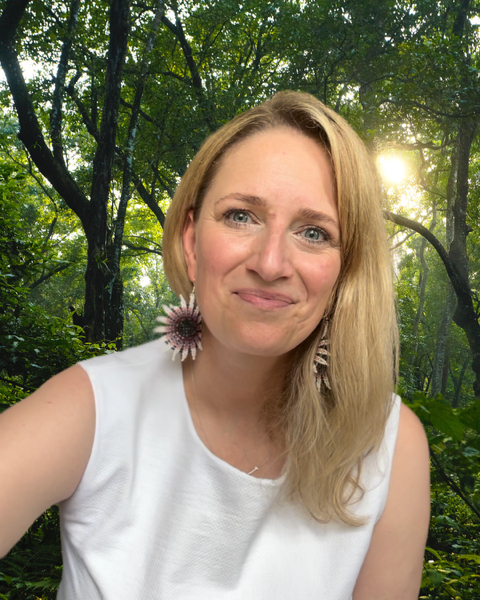
Theresa Baeumel (Netherlands)
Theresa is a Somatic & Leadership Coach and HR Strategist based in Amsterdam, where she runs her own practice integrating somatic work, kundalini, and psychedelic facilitation. With 20 years of international experience, she supports leaders in embodied, conscious transformation. Theresa is about to embark on a 3-year Mazatec Apprenticeship Program with a Mazatec Elder.
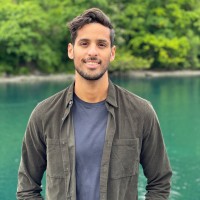
Eddie Garcia (USA)
A business consultant and co-founder of psychedelic retreat center Rise Higher Retreats, Eddie works at the intersection of operational systems and intentional living — helping people create more freedom through structure and conscious design.
Nuvola Bianca Tivoli (UK)
A psychedelic guide, trauma-informed integration coach, and nature connection facilitator whose work is informed by transpersonal perspectives. She weaves together embodiment, spiritual attunement, art therapy, and nature-based practices to support people navigating healing, integration, and personal transformation.
Liana Gannan (USA)
A National Board-Certified Health and Wellness Coach specializing in psychedelic preparation and integration, Liana supports clients through stress regulation, emotional resilience, nervous system support, and sustainable behavior change.
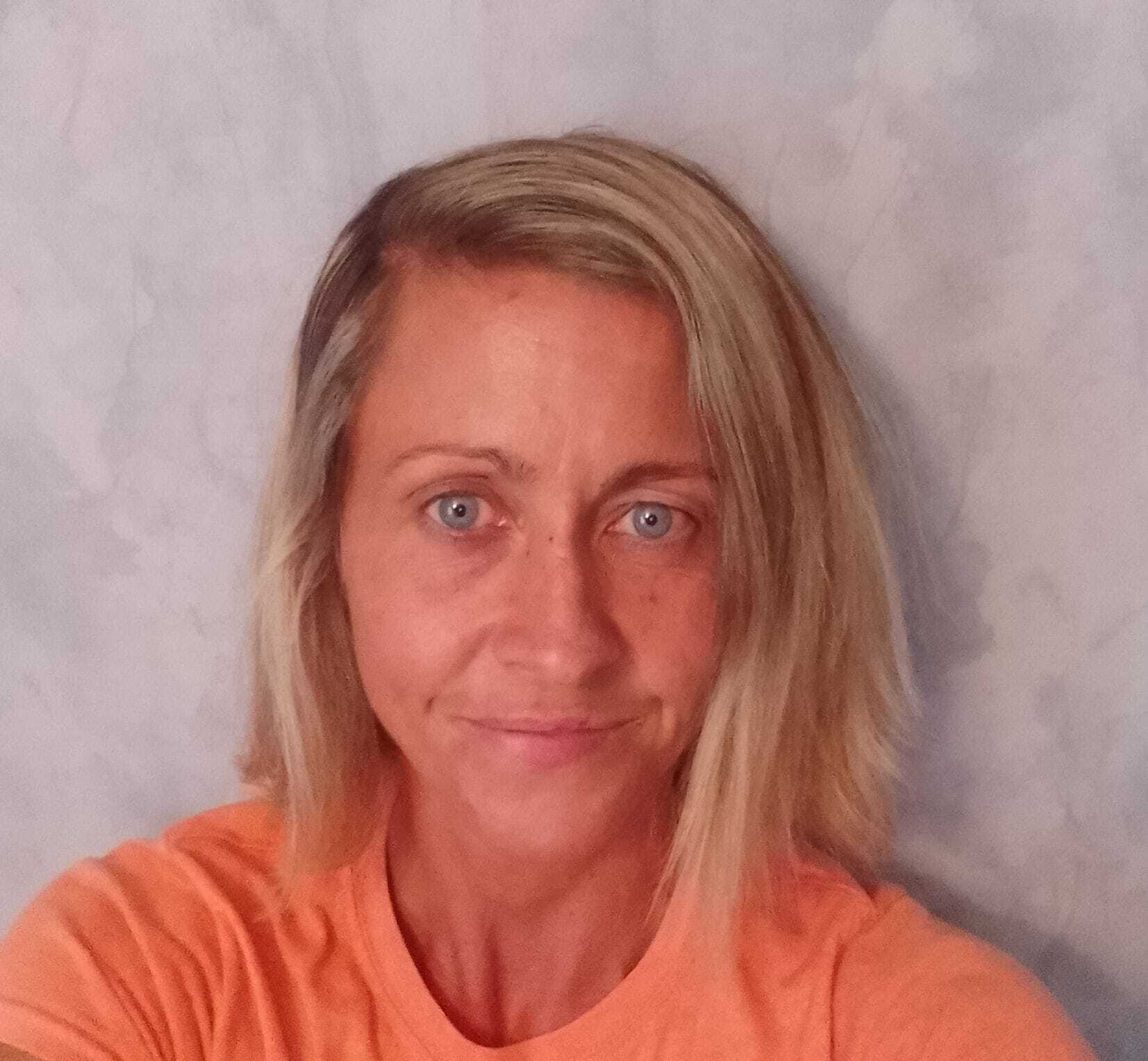
Amy Flynn (Spain)
A Sociologist and language teacher by training. A space holder with a deep interest in the integration of every experience that touches the heart. She offers a refuge in Spain to connect with the surrounding nature and the ceremonies guided by local elders.
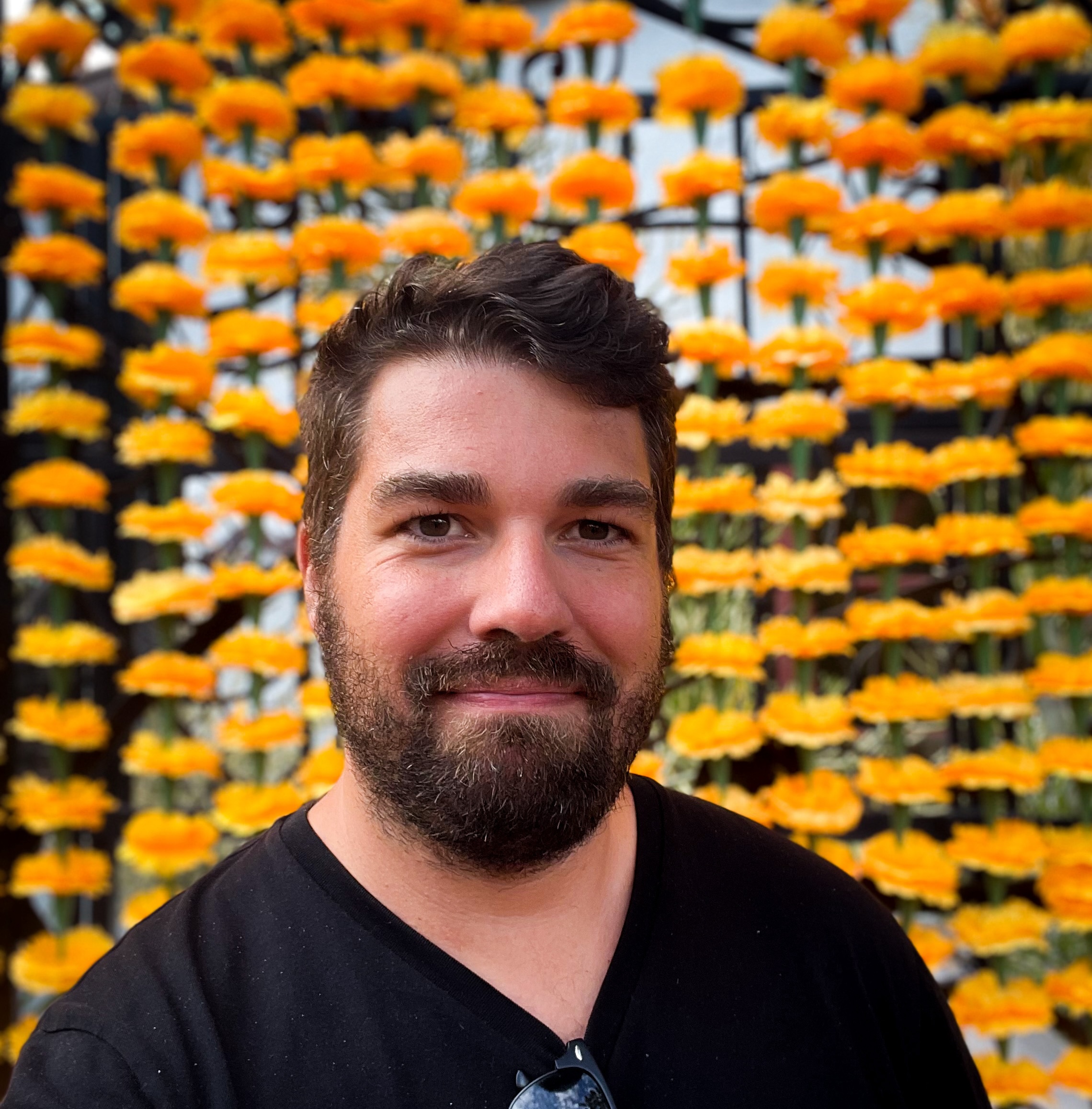
Lux de Lumine (USA)
A mindfulness meditation and tantra teacher with an ICF-accredited coaching certification and training in MBSR, Lux supports others in embodied presence and conscious living.
Synthesis Learning Facilitators Hosting the Session:
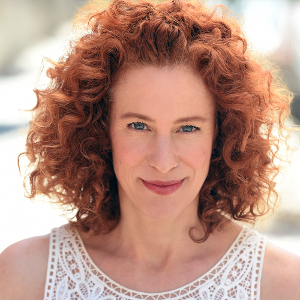
Mina Samuels
A writer, speaker, and former litigation lawyer and human rights advocate, Mina brings decades of embodied practice to her work. Trained in Nonviolent Communication and Internal Family Systems, she offers workshops and one-on-one sessions exploring the transformative power of the body–mind connection.
Dr. Allen Goodwin A psychologist and former senior university lecturer, Allen holds an animistic perspective shaped by over thirty years of Druidic and Shamanic practice. As a professionally trained shamanic practitioner in both core and classical techniques, his work supports clients in deepening their connection to self and their sense of place within their own lives.